Noorani Seeds / Kohenoor International logo Noorani Seeds
واٹس ایپ پر آرڈر کریں
★ ملتان کے ڈیری اور آبپاش کسانوں کا بھروسا

ملتان میں کوہ نور الفالفا (لوسن) بیجKohenoor Alfalfa Seeds in Multan

ملتان جنوبی پنجاب کا بڑا زرعی مرکز ہے — نہری پانی، زرخیز زمین، آم اور کپاس کے ساتھ بڑی ڈیری اور دودھ کی منڈی۔ یہاں کے کمرشل ڈیری اور چارہ کاشتکار کوہ نور الفالفا سے زیادہ پیداوار لے رہے ہیں۔
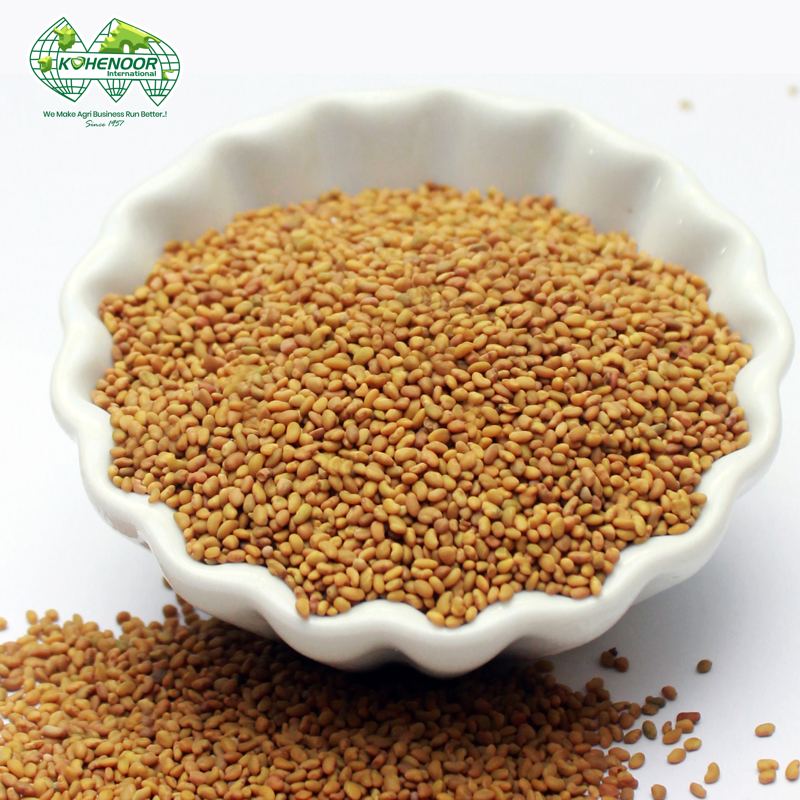
دانا دانا صرف الفالفا
لیب ٹیسٹڈزیادہ پیداوارڈوڈر فری فوکس۱۹۵۷ سے
ملتان کے ڈیری اور آبپاش کسانوں کے لیے کوہ نور الفالفا (لوسن) بیج
1957سے اعتماد
0%ڈوڈر فوکس
Labٹیسٹڈ لاٹس
24hواٹس ایپ جواب

ملتان جنوبی پنجاب کا مرکز ہے — نہری پانی، زرخیز زمین اور آم و کپاس کے ساتھ بڑی ڈیری انڈسٹری۔ شہر کی دودھ کی طلب کے باعث کمرشل ڈیری اور چارہ کاشتکار سال بھر معیاری سبز چارہ چاہتے ہیں، اور لوسن (الفالفا) اس کا بہترین حل ہے۔

یہ صفحہ ملتان، شجاع آباد، جلال پور پیر والا اور قریبی علاقوں کے ڈیری فارمرز اور چارہ کاشتکاروں کے لیے ہے جو زیادہ پیداوار اور صاف فصل چاہتے ہیں۔

ملتان میں نورانی سیڈز کیوں؟

کمرشل ڈیری میں چارے کی کوالٹی براہِ راست دودھ پر اثر ڈالتی ہے۔ کوہ نور الفالفا صاف بیج، زیادہ اگاؤ، لیب ٹیسٹڈ لاٹس اور ڈوڈر فری فوکس کے ساتھ آتا ہے — تاکہ نہری زمین سے زیادہ سے زیادہ پیداوار ملے۔

ملتان کے ڈیری اور چارہ کاشتکار کے لیے فائدے

  • نہری پانی میں زیادہ پیداوار اور بار بار کٹائی
  • پروٹین سے بھرپور چارہ — زیادہ دودھ
  • کئی سال چلنے والی فصل — کم لاگت
  • خشک ہے کی تجارت اور ڈیری کو سپلائی
  • کمرشل سطح پر بلک سپلائی دستیاب

عام مارکیٹ بیج کا خطرہ

  • ملاوٹ اور مکس بیج
  • کمزور اگاؤ — کم پیداوار
  • جڑی بوٹی اور ڈوڈر
  • کمرشل فارم پر بڑا نقصان

کوہ نور الفالفا کا فرق

  • زیادہ پیداوار پر فوکس — کمرشل ڈیری کے لیے
  • لیب ٹیسٹڈ لاٹس اور زیادہ اگاؤ
  • ڈوڈر فری اور اعلیٰ صفائی
  • بلک اور باقاعدہ سپلائی
دانا دانا صرف الفالفا

آرڈر کیسے کریں؟

واٹس ایپ پر نام، فارم/علاقہ، رقبہ، پانی، اور ضرورت (سبز چارہ/ہے/بلک) بھیجیں۔ ہم ملتان اور قریبی علاقوں تک پہنچاتے ہیں۔

کسان رزلٹ ویڈیو — ملتان کے ڈیری اور چارہ کاشتکار ضرور دیکھیں

YouTube پر دیکھیں ↗

ملتان کے ڈیری اور چارہ کاشتکارو — زیادہ دودھ کے لیے صاف اور زیادہ پیداوار والا لوسن لگائیں

دانا دانا صرف الفالفا
IN ENGLISH

High-yield alfalfa (lucerne) for Multan's dairy belt

Multan is the commercial hub of South Punjab — canal-irrigated, fertile land famous for mango and cotton, and home to a large and growing dairy and livestock sector feeding the city's milk demand. Unlike the sandy Thal districts, Multan's farms generally have reliable canal and tube-well water and heavier, more fertile soils, which lets alfalfa — locally lusan (Medicago sativa) — express its full multi-cut, high-yield potential as a protein-rich dairy fodder.

Why commercial dairies choose alfalfa

For a commercial dairy around Multan, fodder quality feeds directly into milk yield and herd health. Alfalfa delivers a high-protein, highly digestible green feed and, from a single sowing, keeps cutting for several years — lowering the per-kilo cost of quality fodder compared with buying it through the season. A dedicated lucerne block gives a predictable, in-house fodder supply that a serious dairy operation can plan around.

Sowing and seed rate on irrigated Multan land

Autumn (late September to November) is the prime sowing window in the Multan region, with spring also workable. A pure stand is usually sown at about 8–10 kg of clean seed per acre into a fine, firm, well-levelled seedbed. On Multan's better soils with reliable water, a strong, lab-tested stand realises more cuttings and higher seasonal tonnage than weak market seed ever will.

Cuttings, yield and hay trade

Well-managed and well-watered, a Multan alfalfa stand can give frequent cuttings across the year — fed fresh to the milking herd or cured into premium dry hay. With Multan's active fodder and hay trade, clean, leafy, dodder-free bales command a better price from other dairies and traders.

Why dodder-free, high-germination seed pays on a commercial farm

On a commercial operation, a weak or contaminated lot is an expensive mistake — thin stands cut yield, and dodder (Cuscuta, آکاس بیل) can spread through an irrigated field and survive for years in the soil. Kohenoor Alfalfa is lab-tested and focused on dodder-free lots, protecting both this season's yield and the field's future. See dodder-free alfalfa seed.

Bulk and regular supply around Multan

We serve everyone from individual growers to commercial dairy farms and dealers needing regular, bulk supply. Send your farm location, acreage and water source on WhatsApp for today's rate and the right quantity. We cover Multan and the surrounding belt:

MultanShujabadJalalpur PirwalaLodhranMuzaffargarhVehariKhanewalMultan road belt
Noorani Seeds serves Multan city and the surrounding canal-irrigated farming and dairy belt. For bulk and export enquiries see our alfalfa seeds exporter page.

Frequently asked questions — Multan

Why is alfalfa a good fodder choice around Multan?
Multan's canal-irrigated, fertile land and reliable water let alfalfa reach its full multi-cut, high-yield potential as a protein-rich dairy fodder — making it ideal for the region's commercial dairy and fodder growers.
Is Kohenoor Alfalfa suitable for commercial dairy farms?
Yes. It is supplied with a high-yield, high-germination and dodder-free focus, and we offer bulk and regular supply — so a commercial dairy gets a predictable, in-house fodder bank that supports milk yield.
When should I sow alfalfa in Multan?
Autumn (late September to November) is the prime window, with spring as a second option. Sow shallow into a fine, firm, well-levelled and weed-free seedbed with good moisture.
How much seed per acre on irrigated Multan land?
About 8–10 kg per acre for a pure stand. With Multan's reliable water and better soils, a strong lab-tested stand delivers more cuttings and higher tonnage than weak market seed.
How many cuttings and how much yield can I expect?
A well-watered, well-managed stand gives frequent cuttings across the year — first around 55–65 days after sowing, then roughly every 25–35 days — for three to four years or more, supporting a steady fodder supply.
How often should alfalfa be irrigated in Multan?
Through the hot months it needs regular irrigation for strong green-fodder yield; less often in winter. It is drought-tolerant once established but rewards steady water with bigger cuttings. Avoid waterlogging.
Can I use it for green fodder and premium hay?
Yes. Feed it fresh to the milking herd, or cut at early bloom and cure premium dry hay — clean, leafy, dodder-free bales sell well in Multan's active fodder and hay trade.
Do you supply alfalfa seed in bulk for large farms?
Yes — we supply from per-acre quantities up to bulk and regular supply for commercial dairy farms and dealers. Share your requirement on WhatsApp for a bulk rate.
What does dodder-free mean and why does it matter commercially?
Dodder (آکاس بیل) is a parasitic weed that can spread through an irrigated field and survive years in the soil, cutting yield and hay value. Lab-tested, dodder-free seed protects both this season and the field's future — vital on a commercial farm.
What germination and purity should I look for?
Aim for around ≥85% germination and ≥98% purity, lab-tested for the actual lot. On a commercial farm, weak germination directly cuts your stand and your tonnage.
What is the price of Kohenoor Alfalfa in Multan?
The rate depends on season, quantity and packing, so we quote per inquiry. Send your quantity and area on WhatsApp for today's rate — bulk pricing available for larger orders.
Do you deliver around Multan — Shujabad, Jalalpur Pirwala, Lodhran?
Yes — we serve Multan city and the surrounding belt including Shujabad, Jalalpur Pirwala, Lodhran, Muzaffargarh, Vehari and Khanewal. Share your location on WhatsApp to confirm delivery.
Does Noorani Seeds also supply Rhodes Grass in Multan?
Yes — Fine Cut Rhodes Grass is part of our forage range and suits Multan's fodder growers too; mention it on WhatsApp if you want both.

قریبی اضلاع میں الفافا (لوسن) بیج کی فراہمی

خانیواللیہبھکرچوک اعظم