Noorani Seeds / Kohenoor International logo Noorani Seeds
واٹس ایپ پر آرڈر کریں
★ تھل اور لیّہ کے کسانوں کا بھروسا

لیّہ میں کوہ نور الفالفا (لوسن) بیجKohenoor Alfalfa Seeds in Layyah

لیّہ، کروڑ لعل عیسن، فتح پور، چوبارہ اور تھل کے ریتلے علاقے — جہاں مال مویشی اور ڈیری کا بڑا کام ہے — کے کسان کوہ نور الفالفا کو سبز چارے اور ہے کے لیے آزما رہے ہیں۔
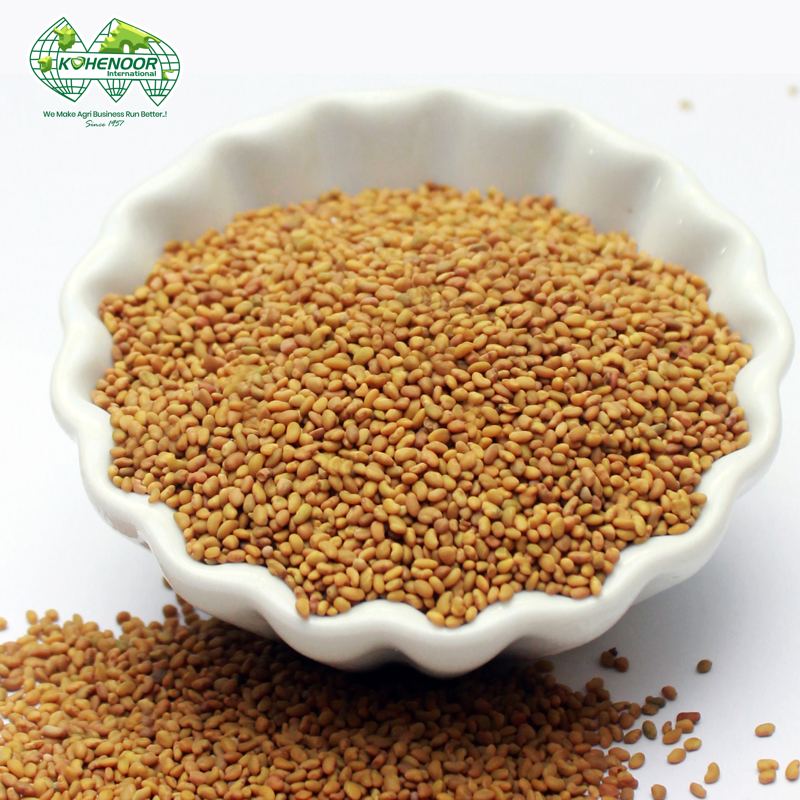
دانا دانا صرف الفالفا
لیب ٹیسٹڈڈوڈر فری فوکستھل کے لیے موزوں۱۹۵۷ سے
لیّہ اور تھل کے کسانوں کے لیے کوہ نور الفالفا (لوسن) بیج — ڈوڈر فری
1957سے اعتماد
0%ڈوڈر فوکس
Labٹیسٹڈ لاٹس
24hواٹس ایپ جواب

لیّہ تھل کا علاقہ ہے — ریتلی زمین، گرم موسم اور ٹیوب ویل کا پانی۔ یہاں کا کسان مال مویشی، بکریوں اور ڈیری سے جُڑا ہے، اور سال بھر سبز چارے کی ضرورت رہتی ہے۔ ایسے میں لوسن (الفالفا) ایک گہری جڑ والی، خشک سالی برداشت کرنے والی فصل ہے جو تھل کے لیے موزوں ہے۔

یہ صفحہ اُن کسانوں کے لیے ہے جو لوسن لگانا چاہتے ہیں مگر ملاوٹ، کمزور اگاؤ اور ڈوڈر (آکاس بیل) کے خطرے سے بچنا چاہتے ہیں۔ تجربہ نہ کریں — تھل میں آزمودہ صاف بیج لگائیں۔

لیّہ میں نورانی سیڈز پر اعتماد کیوں؟

تھل کے کسان کو ریتلی زمین میں مضبوط اگاؤ اور صاف فصل چاہیے۔ کوہ نور الفالفا کا فوکس یہی ہے: صاف بیج، زیادہ اگاؤ، لیب ٹیسٹڈ لاٹس، اعلیٰ صفائی اور ڈوڈر فری فصل۔ کسان جب کروڑ، فتح پور یا چوبارہ کے کھیتوں میں نتیجہ دیکھتا ہے تو اعتماد خود بنتا ہے۔

تھل کی زمین میں لوسن کے فائدے

  • گہری جڑ — ریتلی زمین میں بھی پانی تک پہنچتی ہے
  • خشک سالی برداشت کرنے کی صلاحیت
  • بار بار کٹائی — مال مویشی کے لیے مسلسل چارہ
  • پروٹین سے بھرپور خوراک، دودھ میں اضافہ
  • خشک ہے بنا کر بیچنے کا موقع

عام مارکیٹ بیج کا نقصان

  • ملاوٹ اور مکس بیج
  • کمزور اور ناہموار اگاؤ
  • جڑی بوٹیوں کی آمیزش
  • ڈوڈر کا خطرہ — جو ریتلی زمین میں تیزی سے پھیلتا ہے
  • خراب ہے کوالٹی
تھل میں محنت اور پانی دونوں مہنگے ہیں — اِن کو کمزور بیج پر ضائع نہ کریں۔

کوہ نور الفالفا کا فرق

  • تھل میں آزمودہ: کسانوں نے نتیجہ دیکھ کر اپنایا
  • زیادہ اگاؤ: ریتلی زمین میں بھی مضبوط پہلا اسٹینڈ
  • لیب ٹیسٹڈ لاٹس: سپلائی سے پہلے ٹیسٹ
  • ڈوڈر فری فوکس: صاف فصل، بہتر ہے قیمت
دانا دانا صرف الفالفا

آرڈر کیسے کریں؟

واٹس ایپ پر بھیجیں: اپنا نام، گاؤں، رقبہ (ایکڑ)، پانی کا ذریعہ، سبز چارہ یا ہے، اور ڈیلیوری کا مقام۔ ہم لیّہ اور تھل کے ارد گرد ڈیلیوری کرتے ہیں۔

کسان رزلٹ ویڈیو — لیّہ اور تھل کے کسان ضرور دیکھیں

YouTube پر دیکھیں ↗

لیّہ کے کسانو — تھل کی ریتلی زمین کے لیے صاف اور آزمودہ لوسن بیج چنیں

دانا دانا صرف الفالفا
IN ENGLISH

Alfalfa (lucerne) for the Thal belt of Layyah

Layyah sits in the Thal desert of southern Punjab — light, sandy soils, hot summers, and farming that leans heavily on tube-well water and livestock. Cattle, buffalo and goat rearing are central to the rural economy here, so a steady supply of green fodder matters all year. Alfalfa, known locally as lusan (Medicago sativa), suits this environment well: it is a deep-rooted perennial legume that reaches moisture below the sand and tolerates dry spells better than most fodder crops, while delivering protein-rich feed for dairy animals.

Managing alfalfa on sandy Thal soil

On the lighter soils around Layyah, Karor Lal Esan and Choubara, the keys are a firm, levelled seedbed and steady early moisture so the small seed can establish. Sandy ground drains fast, so younger stands need more frequent, lighter irrigations until the taproot develops. Once established, alfalfa's deep root makes it one of the more resilient choices for the Thal — but it still rewards regular watering through the hot months with stronger cuttings.

Sowing time and seed rate

In the Layyah area, autumn sowing (late September to November) gives the crop a cool window to establish before summer heat; spring sowing is also done. A pure stand generally needs about 8–10 kg of clean seed per acre, sown shallow (1–2 cm). Strong, lab-tested germination is especially valuable on sandy soil, where weak seed leaves gaps that quickly fill with weeds.

Cuttings, fodder and hay

Under tube-well irrigation a healthy Layyah stand yields multiple cuttings a year — feed it fresh as green chara for dairy and goats, or cut at early bloom and cure it into clean hay for sale. Hay buyers in the livestock-heavy Thal market pay more for leafy, weed-free, dodder-free bales.

Why dodder-free seed protects your land

Dodder (Cuscuta, آکاس بیل) is a parasitic weed whose hard seed survives for years in soil and spreads fast on open sandy fields. One contaminated bag can burden a field season after season. Kohenoor Alfalfa is cleaned and focused on dodder-free lots, so you protect your Thal land — not just this crop. Read more on dodder-free alfalfa seed.

Ordering in Layyah district

From per-acre quantities for individual farmers to bulk for large livestock farms and dealers — send your village, acreage and water source on WhatsApp for today's rate and the right quantity. We serve Layyah and the surrounding Thal:

LayyahKaror Lal EsanChowk AzamFatehpurKot SultanChoubaraChaubaraThal belt
Noorani Seeds serves Layyah city and the surrounding Thal farming belt. For bulk and export enquiries see our alfalfa seeds exporter page.

Frequently asked questions — Layyah

Is alfalfa (lusan) suitable for the sandy Thal soil of Layyah?
Yes — alfalfa is deep-rooted and drought-tolerant, which makes it one of the better fodder choices for Layyah's sandy Thal soils. A firm seedbed and steady early irrigation help it establish, after which the taproot reaches moisture below the sand.
When should I sow alfalfa in Layyah?
Autumn (late September to November) is the best window, giving the crop time to establish before the Thal summer; spring sowing also works. Sow into a fine, moist, weed-free seedbed and avoid waterlogged spots.
How much alfalfa seed per acre on Thal land?
Generally about 8–10 kg per acre for a pure stand. On sandy soil, high-germination seed is important because gaps fill quickly with weeds — good seed means a more even stand with less waste.
How often must I irrigate alfalfa in the Thal?
Young stands on sandy soil need lighter, more frequent irrigation; established crops are more drought-tolerant but still need water through the hot months for strong cuttings.
How many cuttings will I get around Layyah?
Under tube-well irrigation a healthy stand gives several cuttings a year, the first about 55–65 days after sowing and then roughly every 25–35 days, for three to four years or more.
Can I make dry hay for the livestock market?
Yes. Cut at early bloom and cure into clean, leafy, green bales — Layyah's livestock and dairy buyers pay more for weed-free, dodder-free hay.
What does dodder-free mean and why does it matter in the Thal?
Dodder is a parasitic weed (آکاس بیل) that spreads fast on open sandy fields and survives in soil for years. Dodder-free seed protects your land for future seasons, which is why we focus on clean lots.
Is Kohenoor Alfalfa already used by Layyah farmers?
Yes — farmers around Layyah, Karor Lal Esan, Fatehpur and Choubara already grow it and trust the result they see in the field.
What is the price of Kohenoor Alfalfa in Layyah?
The rate depends on season, quantity and packing, so we share a current price per inquiry. Message your area and quantity on WhatsApp for today's rate.
Do you deliver to villages around Layyah and Chowk Azam?
We serve Layyah city and the surrounding Thal belt including Karor Lal Esan, Fatehpur, Kot Sultan and Choubara. Share your location on WhatsApp to confirm delivery.
Does Noorani Seeds also supply Rhodes Grass in Layyah?
Yes — Fine Cut Rhodes Grass is part of our forage range. Mention it on WhatsApp if you want both alfalfa and Rhodes Grass.
How do I order and what details should I send?
Send your name, village, acreage, water source, whether you want green fodder or hay, and your delivery location on WhatsApp — we'll advise quantity and rate.

قریبی اضلاع میں الفافا (لوسن) بیج کی فراہمی

خانیوالملتانبھکرچوک اعظم