خانیوال کے کسان عملی لوگ ہیں — وہ باتوں سے نہیں، کھیت کی فصل سے بیج پرکھتے ہیں۔ اور اِس علاقے میں کوہ نور الفالفا کی فصل اور کسانوں کے نتائج نے حقیقی اعتماد پیدا کیا ہے۔
یہ صفحہ اُن کسانوں کے لیے ہے جو الفالفا (لوسن) کاشت کرنا چاہتے ہیں مگر عام مارکیٹ کے بیج، ملاوٹ، جڑی بوٹیوں اور ڈوڈر کے خطرے سے بچنا چاہتے ہیں۔ فیصلہ آسان ہے: تجربہ نہ کریں — خانیوال کا آزمودہ بیج لگائیں۔
خانیوال میں نورانی سیڈز پر اعتماد کیوں؟
بیج کی مارکیٹ میں اعتماد اشتہار سے نہیں، فصل سے بنتا ہے۔ کسان فیلڈ اسٹینڈ، اگاؤ اور یہ دیکھتا ہے کہ فصل میں جڑی بوٹی یا ڈوڈر کا مسئلہ تو نہیں۔ کوہ نور الفالفا خانیوال میں مضبوط انتخاب اس لیے بن رہا ہے:
- صاف الفالفا بیج
- زیادہ اگاؤ (high germination) پر توجہ
- لیب ٹیسٹڈ لاٹس اور کوالٹی چیکنگ
- اعلیٰ معیار کی پروسیسنگ اور صفائی
- صاف اور ڈوڈر فری فصل پر فوکس
- واٹس ایپ پر کسان سپورٹ
اور صرف الفالفا ہی نہیں — نورانی سیڈز کا فائن کٹ روڈز گراس بیج بھی خانیوال مارکیٹ میں کسانوں کے اعتماد کا حصہ بن رہا ہے۔ لیکن یہ صفحہ خاص طور پر کوہ نور الفالفا کے لیے ہے، کیونکہ الفالفا میں بیج ہی سب کچھ ہے۔
خانیوال میں لوسن کیوں لگائیں؟
خانیوال پنجاب کا مضبوط زرعی اور لائیو اسٹاک علاقہ ہے۔ یہاں ڈیری جانور، سبز چارہ اور خشک ہے کی طلب موجود ہے۔ کسان الفالفا (لوسن) اس لیے لگاتے ہیں:
- جانوروں کے لیے صحت مند، پروٹین سے بھرپور چارہ
- ایک فصل سے بار بار کٹائی کا فائدہ
- خشک ہے بنانے اور بیچنے کا موقع
- ڈیری فارمز کو سپلائی کا کاروبار
- اپنے فارم کے لیے بہتر چارہ اور آمدنی
لیکن یاد رکھیں — لوسن کی کامیابی بیج سے شروع ہوتی ہے۔ بیج پر سمجھوتہ کیا تو آگے پانی، کھاد، مزدوری اور کٹائی سب پر سمجھوتہ ہو جاتا ہے۔
عام مارکیٹ کے بیج کا نقصان
جب علاقے میں الفالفا کا رجحان بڑھتا ہے تو کمزور کوالٹی کا بیج بھی مارکیٹ میں آ جاتا ہے۔ عام مسائل:
- ملاوٹ والا / مکس بیج
- کمزور اگاؤ
- ناہموار فیلڈ اسٹینڈ
- جڑی بوٹیوں کے بیج کی آمیزش
- ڈوڈر (آکاس بیل) کا خطرہ
- خراب ہے کوالٹی اور شکایات
سستا بیج مقصد نہیں — صاف بیج مقصد ہے۔ زمین آپ کی، پانی آپ کا، کھاد اور محنت آپ کی — بیج غلط ہوا تو نقصان بھی آپ کا۔ اسی لیے سمجھدار کسان پہلے کوالٹی دیکھتا ہے، پھر قیمت۔
کوہ نور الفالفا کا فرق
- خانیوال مارکیٹ میں آزمودہ: یہ کوئی انجان پروڈکٹ نہیں — کسانوں نے نتیجہ دیکھ کر اعتماد کیا ہے، یہی سب سے بڑا ثبوت ہے۔
- زیادہ اگاؤ پر توجہ: مضبوط پہلا اسٹینڈ جڑی بوٹی کو جگہ نہیں دیتا۔
- لیب ٹیسٹڈ لاٹس: بیج کھیت میں نہیں، سپلائی سے پہلے ٹیسٹ ہونا چاہیے۔
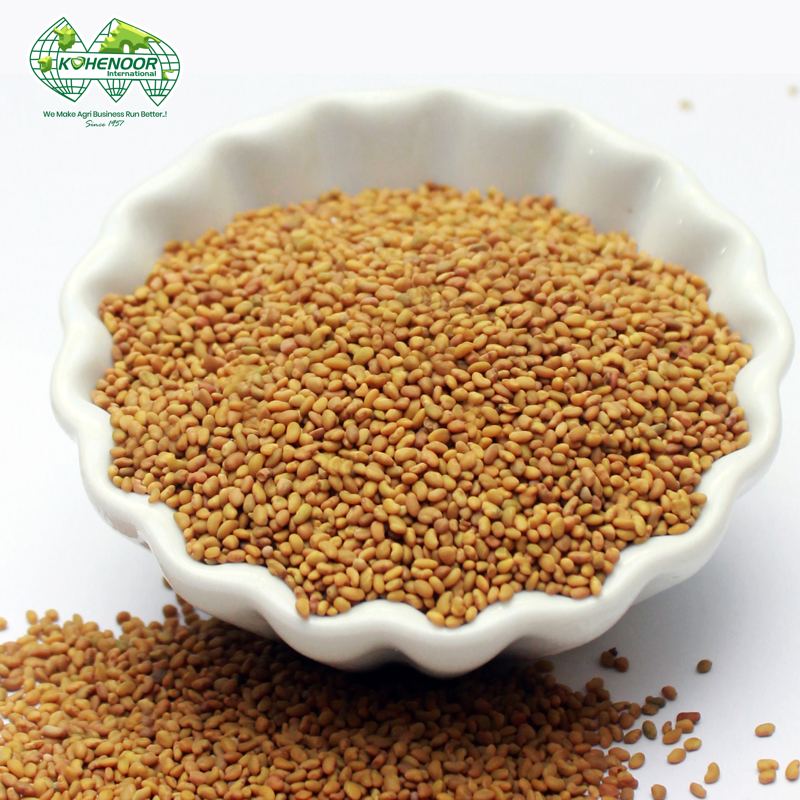
- اعلیٰ معیار کی پروسیسنگ: بیج کو صاف، یکساں اور فیلڈ ریڈی بناتی ہے۔
- ڈوڈر فری فوکس: ڈوڈر فصل کو کمزور اور ہے کی قیمت کم کرتا ہے — ہمارا فوکس صاف فصل پر ہے۔
دانا دانا صرف الفالفا
آرڈر کیسے کریں؟
واٹس ایپ پر یہ تفصیل بھیجیں: اپنا نام، شہر یا گاؤں، کتنے ایکڑ کاشت کرنا ہے، پانی کا ذریعہ، سبز چارہ چاہیے یا ہے، بیج کی مقدار، ڈیلیوری کا مقام — اور اگر روڈز گراس بھی چاہیے تو بتا دیں۔
یہ پیغام کاپی کریں: «السلام علیکم، مجھے کوہ نور الفالفا بیج چاہیے۔ میں خانیوال کے علاقے سے ہوں۔ میرے پاس ___ ایکڑ زمین ہے۔ براہِ کرم مقدار، ریٹ اور کاشت کی رہنمائی بتا دیں۔»
Growing alfalfa (lucerne) in Khanewal — a practical guide
Khanewal lies in Punjab's irrigated cotton–wheat belt, with hot summers, mild winters and reliable canal and tube-well water. These are strong conditions for alfalfa — known locally as lusan and botanically as Medicago sativa — a deep-rooted perennial fodder legume. With dairy buffaloes, cattle and sheep farming common across Khanewal, Mian Channu, Kabirwala, Jahanian and Tulamba, the demand for green fodder and dry hay runs year-round, which is why more growers in the area are turning to alfalfa as a dependable, multi-cut fodder crop.
When to sow alfalfa in Khanewal
In the Khanewal region the best sowing window is autumn — late September through November — when the heat eases and the crop can establish before the next summer. A spring sowing in February–March is also workable. Prepare a fine, firm, well-levelled and weed-free seedbed with good moisture, and avoid low, waterlogged patches: alfalfa is drought-hardy once established but will not tolerate standing water.
Seed rate and sowing method
For a pure alfalfa stand, the general seed rate is about 8–10 kg per acre (20–25 kg per hectare). Drilling in rows gives better seed-to-soil contact and a more even stand than broadcasting; if you broadcast, use the higher end of the rate. Keep sowing shallow — roughly 1–2 cm — because the seed is small and should not be buried deep. A lot with high, lab-verified germination lets you reach your target plant stand with less seed and fewer gaps for weeds.
Irrigation, cuttings and yield
Through Khanewal's hot months alfalfa needs regular irrigation for good green-fodder yield — commonly every 8–12 days in summer and less often in winter. A healthy, well-managed stand gives multiple cuttings a year — often six to eight or more under irrigation; the first cut comes roughly 55–65 days after sowing, then every 25–35 days. Cut at early flowering (around 10% bloom) for the best balance of yield and feed quality, and a good stand can keep producing for three to four years or longer.
Green fodder vs dry hay
Kohenoor Alfalfa works for both. For green fodder, cut and feed fresh to dairy and livestock. For dry hay, cut at early bloom and cure properly into clean, leafy, green bales — hay buyers judge cleanliness, colour and leaf content, not just weight, so a crop free of weeds and dodder earns a better price.
What makes good alfalfa seed — a buyer's quality guide
Most alfalfa problems start in the bag, not the field. Before you sow, check four things on the seed you buy:
- Germination (aim for ≥85%, ISTA-tested): this decides how many seeds actually come up and how even your stand will be. Ask for a recent test on the exact lot.
- Purity (aim for ≥98%): how much of the bag is genuine alfalfa seed versus chaff, inert matter and other seeds.
- Dodder-free status: the single most important check — covered below.
- Processing and cleaning: properly cleaned, uniform seed flows evenly and carries less weed-seed risk than rough, mixed market seed.
Why dodder (Cuscuta / آکاس بیل) is the risk that ruins crops
Dodder is a thin, thread-like parasitic weed. It wraps around the alfalfa plant, taps into it and drains its nutrients, weakening the whole stand. Worse, its hard seeds can survive in the soil for years, so a single contaminated bag can leave a field infested season after season — and dodder is very difficult and costly to remove once it spreads. This is exactly why Kohenoor Alfalfa is focused on clean, dodder-free lots: protecting your land is more valuable than saving a little on cheap, mixed seed.
Kohenoor Alfalfa — at a glance
Botanical: Medicago sativaType: perennial lucerne / lusanPurity ≥98%Germination ≥85%0% dodder focusLab-tested lotsBrand: Noorani SeedsEst. 1957
Ordering and delivery across the Khanewal region
We supply farmers from small per-acre quantities up to bulk for large farms and dealers. To get a current rate and the right quantity for your land, send a WhatsApp message with your name, village or town, the area you plan to sow, your water source, whether you need green fodder or hay, and your delivery location. We serve Khanewal city and the surrounding belt:
KhanewalMian ChannuKabirwalaJahanianAbdul HakeemTulambaKacha KhohPirowalMakhdoom PurMultan road beltVehariSahiwal belt
The correct spelling is
Khanewal, though some search
Khanawal — we serve both. For bulk, export and international enquiries, see our
alfalfa seeds exporter page.
Frequently asked questions — alfalfa (lusan) in Khanewal
What is Kohenoor Alfalfa, and is it the same as lusan or lucerne?
Yes — alfalfa, lucerne and lusan are all the same crop, Medicago sativa, a perennial fodder legume. Kohenoor Alfalfa is Noorani Seeds' premium, clean, lab-tested and dodder-free-focused alfalfa seed, already trusted by many farmers in the Khanewal market.
When is the best time to sow alfalfa in Khanewal?
Autumn — late September to November — is the ideal sowing window in the Khanewal region, giving the crop time to establish before summer. A spring sowing in February–March is also possible. Sow into a fine, firm, weed-free and moist seedbed, and avoid waterlogged ground.
How much alfalfa seed do I need per acre?
A pure alfalfa stand generally needs about 8–10 kg of seed per acre (20–25 kg per hectare). Drilling needs slightly less than broadcasting. Because higher germination fills the field with fewer gaps, good-quality seed lets you reach your target stand with less seed.
How many cuttings does alfalfa give per year in Khanewal?
Under Khanewal's irrigated conditions a healthy stand commonly gives six to eight or more cuttings a year. The first cutting comes roughly 55–65 days after sowing, then about every 25–35 days, and a good stand keeps producing for three to four years or more.
How often should alfalfa be irrigated?
In the hot summer months, roughly every 8–12 days; less frequently in winter. Alfalfa is deep-rooted and drought-tolerant once established, but it needs steady water for strong green-fodder yield. Always avoid standing water, which damages the crop.
Which soil and field conditions suit alfalfa best?
A well-drained, well-levelled loam is best, and alfalfa tolerates a wide pH range. The key is good drainage — it does not tolerate waterlogging — and a clean, firm seedbed free of weeds at sowing.
Can Kohenoor Alfalfa be used for both green fodder and dry hay?
Yes. Cut and feed it fresh for green fodder, or cut at early bloom and cure it for dry hay. Clean, leafy, green hay with no weeds or dodder fetches the best price from dairy and livestock buyers.
What does "dodder-free" mean and why does it matter so much?
Dodder (Cuscuta, locally آکاس بیل) is a parasitic weed that wraps around alfalfa, drains it, and leaves seed that survives in the soil for years. One contaminated bag can infest a field for seasons and is very hard to remove. Clean, dodder-free seed protects your land — which is why we focus on it.
What germination and purity should good alfalfa seed have?
Look for around ≥85% germination and ≥98% purity, ideally lab-tested with a recent result for the actual lot you are buying. Weak or undocumented germination leads to thin, patchy stands and gives weeds room to take over.
Is Kohenoor Alfalfa already grown in the Khanewal area?
Yes. Many farmers across Khanewal, Mian Channu, Kabirwala, Jahanian, Abdul Hakeem, Tulamba and Kacha Khoh already grow Kohenoor Alfalfa and trust it after seeing the field result — that local proof is its strongest recommendation.
What is the price of Kohenoor Alfalfa seed?
The rate depends on the season, quantity and packing, so we share a current price per inquiry. Send your area and required quantity on WhatsApp and we will give you today's rate along with sowing guidance.
What quantity can a farmer order, and is there a minimum?
We supply from small per-acre quantities for individual farmers up to bulk lots for large farms and dealers. Tell us your acreage and we will advise the right seed quantity for your land.
How do I order, and do you deliver to my village?
Send a WhatsApp message with your name, village or town, acreage, water source, fodder or hay use, required quantity and delivery location. We serve Khanewal city and nearby areas — share your location and we will confirm delivery.
Does Noorani Seeds also supply Rhodes Grass in Khanewal?
Yes. Our Fine Cut Rhodes Grass is part of the same trusted forage seed range. If you want both alfalfa and Rhodes Grass, mention it in your WhatsApp message and we will quote together.
Are "Khanawal" and "Khanewal" the same place?
Yes — the correct spelling is Khanewal, but many people search "Khanawal." Noorani Seeds serves Khanewal and all the surrounding farming areas.
 Noorani Seeds